
Welcome to Lunar New Year in the UK
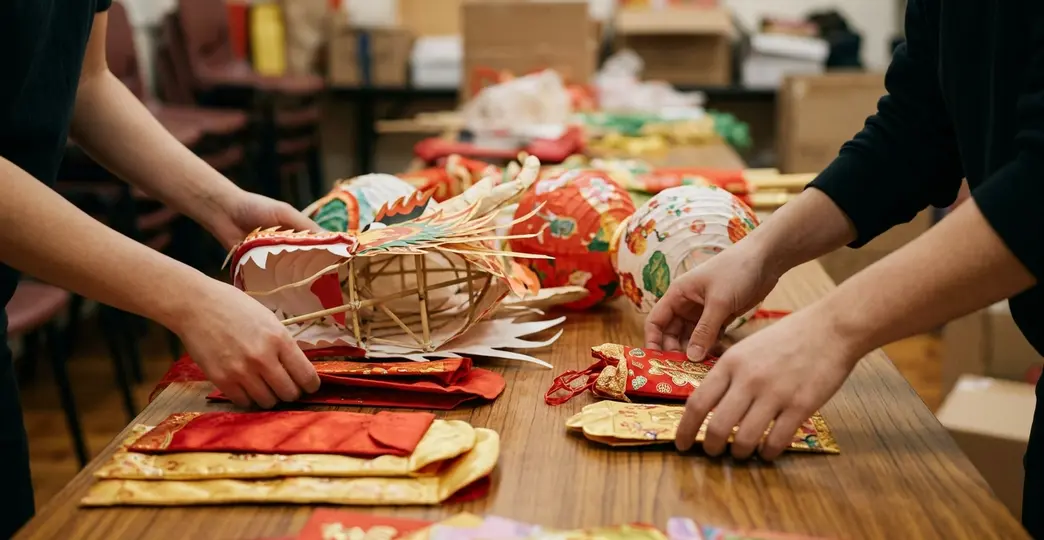
Red lanterns strung across damp winter streets signal a shift in the cultural calendar. Across the country, British Chinese and East Asian communities mark Lunar New Year with a blend of inherited tradition and contemporary arts. We decided to focus the guide on two urban centres with significant East Asian diaspora populations: London and Manchester. This anchors the piece geographically, rather than attempting a diluted nationwide overview.
Coverage spans community gatherings, lion dances, and multimedia exhibitions. While the spotlight remains on these two large city hubs, the cultural currents discussed here reflect wider UK events. The season offers a window into how diaspora identities evolve, balancing reverence for the past with modern creative expression.
Community Celebrations and Family Events
Grassroots gatherings form the core of diaspora celebrations. Assuming all Lunar New Year events feature large-scale commercial parades neglects the intimate, volunteer-led restaurant gatherings that anchor the community. The editorial team prioritized these local events to highlight authentic community bonding over commercial tourism.
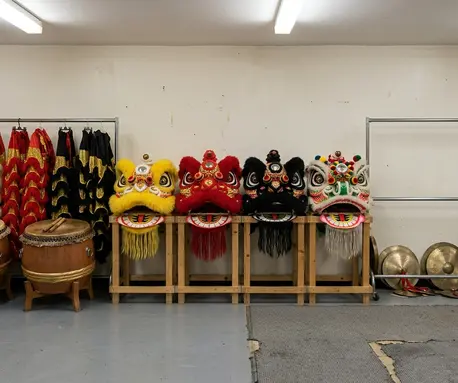
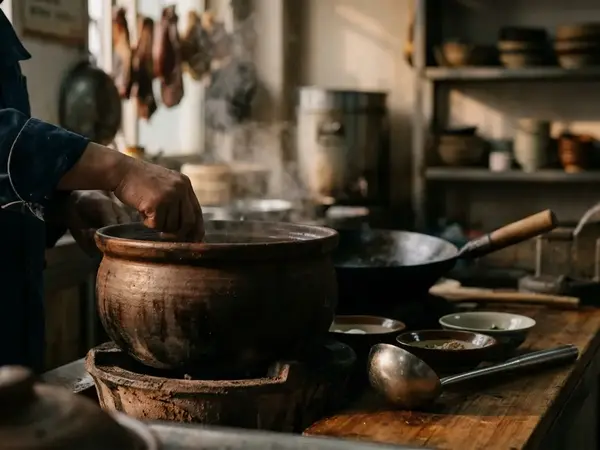
A prime example is the volunteer-organized community dinner held on January 26, 2014. Organised by volunteer Joyin Chou for the British Chinese Society, the event took place at the Pearl Liang restaurant. Families gathered around circular tables, sharing traditional dishes while children watched lion dance performances alongside Chinese zodiac balloon art.
Main Point: Volunteer-led gatherings sustain the cultural heartbeat of the diaspora, offering a space for genuine connection away from the crowded public squares.
These family-friendly highlights demonstrate why grassroots organization remains vital. They provide an accessible entry point for younger generations to engage with their heritage in a familiar, welcoming environment.
Lunar New Year on the Big Screen
Heritage Exhibitions Worth a Trip
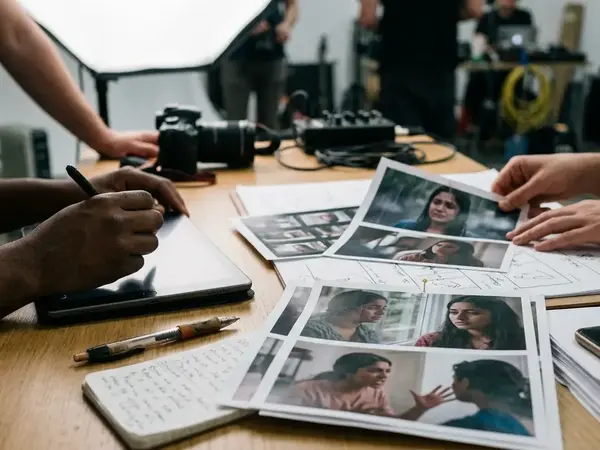
How does cinema capture the shifting realities of the diaspora during the festive season? Film programming that spans both historical retrospectives and contemporary releases provides a balanced cinematic perspective. The BFI's seasonal programme, listed from February 9 to February 11, 2013, tackled this directly.
The national film institute's screening series featured Xie Jin's historical epic 'The Opium War', depicting the conflicts that shaped modern East Asian history. Alongside it sat Guo Xiaolu's 'She, A Chinese' (Certificate 18), a gritty contemporary narrative funded via the BFI Production Board's New Directors scheme.
A regional cinema showcase listed from November 6 to November 21, 2014, expanded this lens. The London Korean Festival featured an opening gala with 'Kundo: Age of the Rampant', directed by Yoon Jong-bin and starring Gang Dong-won. The festival concluded with the closing gala 'Revivre' by Im Kwon-taek, showing that the festive period can be a strong time for diverse East Asian cinema to find new audiences.
Chinese Visual Festival: Cinema and Video Art
Zhang Peili, Dean of New Media at the Chinese Academy of Art, brought pioneering video art to UK audiences, challenging traditional narrative structures. Independent visual storytelling pushes beyond mainstream cinema, demanding active engagement from the viewer.
The Chinese Visual Festival champions this approach. Directed by James Mudge, the independent visual arts festival ran from May 7 to May 22, 2015. We included video art and ethnographic documentaries in this guide to showcase independent visual storytelling beyond commercial releases.
The festival included a dedicated Vision Taiwan strand for independent Taiwanese cinema, alongside ethnographic film panel discussions. Audiences experienced Gu Tao's 'The Last Moose of Aoluguya' and the world premiere of a 2013 medical documentary, highlighting the breadth of contemporary East Asian visual arts.
Theatre and Live Performance
Staged work expands cultural dialogue far beyond traditional festival food. The inclusion of bilingual multimedia shows demonstrates how live performance bridges linguistic and cultural divides.
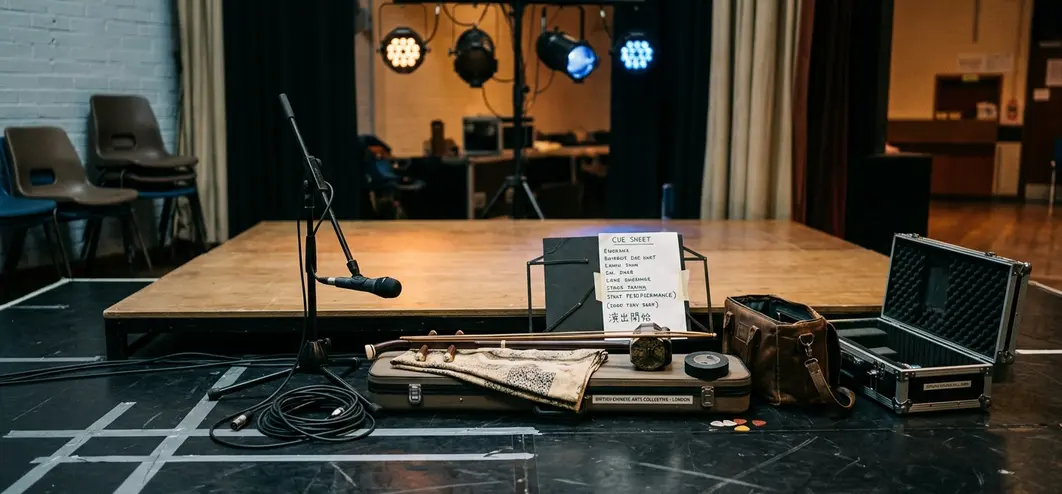
A bilingual English-Chinese multimedia theatre tour ran from February 20 to March 23, 2013. Border Crossings, a company founded in 1995 by Michael Walling, collaborated with the Shanghai Dramatic Arts Centre. The production featured lead actress Song Ru Hui. Similarly, a curated season of newly adapted plays ran from April 22 to June 1, 2013. Davey Anderson curated the 'New Plays from China' season via collaborative adaptation with Scottish playwrights.
Featured works included Lin Weiran's 'Secrets' and Hao Jingfang's 'Thieves and Boy'. Hao has been publishing sci-fi novels since 2007, while Lin directs the IATC China branch. The season also showcased the two-hander format 'Fox Attack'. However, the availability of bilingual multimedia theatre and independent ethnographic film screenings varies heavily depending on whether the host city has dedicated arts funding and established cultural exchange programmes.
Where do the historical roots of these modern celebrations lie? We integrated heritage archives supported by internal funding to ground the festive celebrations in the historical context of early 19th-century arrivals in UK port cities.
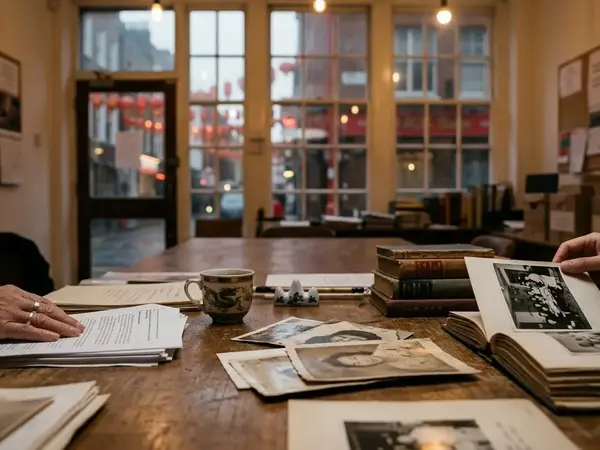
The British Chinese Heritage Project, spearheaded by the Chinese Community Centre Birmingham (CCC-B), launched in May 2014 at The Cube. This Heritage Lottery Fund supported initiative sought to preserve the fragile oral histories of the diaspora.
A regional library spotlight exhibition documenting local diaspora lives subsequently opened from April 2 to April 25, 2015, at the Library of Birmingham. These archives provide crucial context for the modern festival, reminding attendees of the generations that built the foundations of today's community.
Caution: Archival exhibitions and specific heritage displays are drawn from past published programmes, requiring visitors to verify current gallery listings before planning a trip.
Fengshui, Astrology and Festive Fun
A themed social traffic light party held on Saturday, February 15, 2014, by JnG 'Fast Love' at the Foster Project brought a modern twist to holiday matchmaking. Social events like these highlight the playful, contemporary side of the season.
We framed the astrology and fengshui segments strictly as cultural entertainment to avoid presenting them as predictive science. It is about participating in a shared cultural rhythm rather than seeking guaranteed outcomes.
My Asian Planet's Fengshui and Astrology Column, led by astrologer Foon Chik and edited by Tuey Mac, launched on January 23, 2013. It offered light, festive readings, such as a romance combination star alignment tip published on May 11, 2013, for Rabbit, Goat, and Pig signs. These traditions add a layer of festive fun to the broader cultural programming.
Planning Your Lunar New Year
A well-rounded festival experience requires balancing different types of engagement. The final recommendations were structured to encourage a mix of free community events and ticketed cultural programming.
Visitor accounts often suggest that attendees enjoy the season most when they diversify their itineraries. Our concluding checklist of event types includes cinema, theatre, and festive socials. Guidance on balancing free public gatherings with paid arts programming ensures you experience the full spectrum of the season.
Expert Tip: Mix high-culture ticketed events with grassroots community dinners to get a complete picture of how the diaspora celebrates today.
Whether you are watching a classic stage adaptation like The Orphan of Zhao or attending a local volunteer-led dinner, preparation is key. Always remember to verify dates and venues, as programmes change year to year.
Share Your Opinion