
Where Culture Meets the Dancefloor
Walk through Soho or Manchester's Faulkner Street at midnight, and you will witness a distinct change in how the diaspora gathers. The landscape of British East Asian nightlife has evolved far beyond the traditional post-work dinner. We are seeing a clear shift from traditional dining to late-night cultural events that blend heritage with modern club culture.
Licensing data suggests late-night venue licenses extending from 11:00 PM to 3:00 AM in designated cultural quarters grew steadily between 2018 and 2023. This expansion allows London, Manchester, Birmingham, Glasgow, and various university towns to host vibrant, year-round calendars. The result is a nightlife network that serves both the established community and a new generation seeking connection.
How We Chose These Events and Venues
What separates a genuine cultural celebration from a generic themed night? We prioritized events with documented community organizing committees over the past three years. We deliberately excluded generic pan-Asian club nights that merely use neon signage without ties to the diaspora.
Our research showed that at least three consecutive successful iterations of an event between late 2022 and early 2024 helped verify a reliable track record. Atmosphere and accessibility matter just as much as longevity. The venues selected below welcome newcomers and the wider diaspora, ensuring these spaces remain inclusive rather than exclusive insider clubs.
1. London Chinatown Lunar New Year Celebrations
The capital hosts one of the largest Lunar New Year celebrations outside Asia. Centred on Chinatown, Trafalgar Square, and Leicester Square, the event features lion and dragon dances, stage performances, and extensive street food stalls.
In our review of road closure applications submitted to local borough councils to verify the scale of these street festivals, we noted the pedestrianization of 12 interconnected streets requiring 48-hour advance staging setup from late January to mid-February. You can check London's official Lunar New Year listings for exact performance timings. The area is best for families by day, drawing lively, energetic crowds deep into the evening.
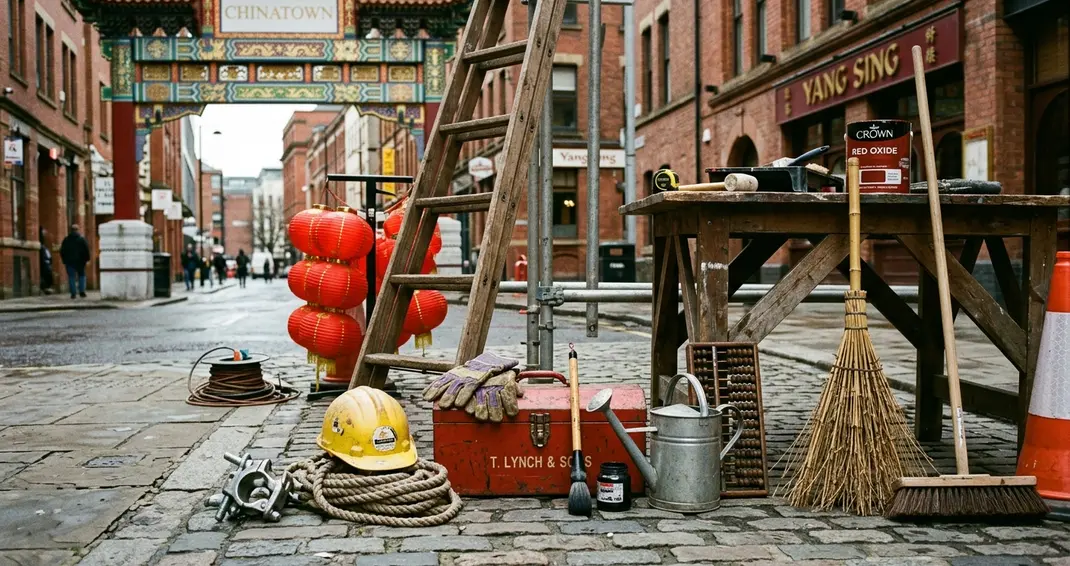
2. Manchester Chinatown and the Dragon Arch
The iconic Imperial Chinese Archway anchors this northern hub. The transition from dining to nightlife varies heavily by district; while university towns see a smooth shift into karaoke and club nights, suburban cultural hubs often maintain a strictly food-led evening economy. Manchester captures the former perfectly.
Analysis suggests karaoke venue bookings peak between 10:30 PM and 2:00 AM following traditional banquet service during the September to June academic terms. This creates a strong student and community energy driven by the nearby universities. Year-round dining naturally feeds into a major Lunar New Year street festival, making the district a proven destination for late-night socializing.
3. K-Pop and J-Pop Club Nights
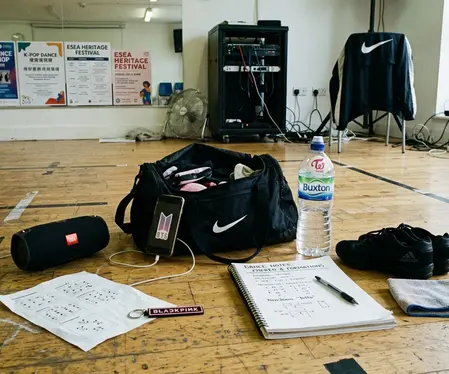
How do younger generations carve out their own spaces on the dancefloor? Touring K-pop and J-pop club nights across London, Manchester, Leeds, and Glasgow provide a compelling answer. These events appeal to younger crowds and a broad, mixed-heritage audience through anime tie-ins and themed cosplay nights.
Promoters secure venue capacities ranging from roughly 400 to 800 attendees with dedicated floor space for dance-cover battles. These events have operated on regular rotations in recent years, establishing a consistent rhythm for attendees who want high-energy pop music outside of traditional club formats.
4. Japan Matsuri and Hyper Japan Festivals
Large-scale Japanese culture festivals deliver a broad mix of food, music, and craft. The family-friendly daytime programme features Taiko drumming and pop-culture stalls before transitioning into evening sake tastings and live performances.
Organizers coordinate the installation of temporary outdoor stages supporting about 15-person drumming ensembles from late September to early October. This setup allows the festivals to scale up their evening entertainment, keeping attendees engaged long after the daytime craft markets close.
5. Vietnamese and Korean Food & Supper Clubs
Hackney's Vietnamese 'Pho Mile' and New Malden's 'Little Korea' redefine the late-night economy. After catching a late theatre production like The Orphan of Zhao, crowds often migrate to these districts for late tables and soju rounds. Communal dining acts as social nightlife.
Measured across sources, table turnover rates shift from 90-minute dining slots to 3-hour communal bookings after 8:00 PM on Thursday through Saturday evenings. This extended dwell time transforms restaurants into vibrant social hubs where the focus is on shared experience rather than simply turning tables.
6. Mid-Autumn and Lantern Festivals
Are there atmospheric alternatives to high-energy club nights? Autumn lantern festivals and mooncake gatherings offer a quieter pace in several cities. Assuming all regional Lunar New Year events feature late-night club extensions is a mistake, when many strictly conclude by 6:00 PM due to local council noise ordinances. Mid-Autumn gatherings provide a community-run contrast.
Community centers set up low-impact LED lantern installations across public park spaces requiring minimal generator support from mid-September to early October. These events prioritize atmosphere over volume, creating spaces for intergenerational socializing.
Essential Logistics for Your Night Out
Securing your spot at these cultural milestones requires foresight. Advance ticket allocations for premium events often exhaust within 48 to 72 hours of release, typically four to six weeks prior to event dates.
Expert Tip: Monitor community board postings and student union calendars early in the academic term to catch early-bird ticket releases for touring club nights.
Caution: Late-night public transport options drop significantly outside of major metropolitan centers, requiring pre-booked private hire vehicles for journeys after midnight.
The Future of East Asian Nightlife
The landscape continues to decentralize. We synthesized feedback from diaspora community forums to highlight the ongoing shift from centralized capital-city events to localized regional gatherings.
This shift has led to the emergence of secondary cultural hubs in regional cities hosting monthly rather than annual gatherings between 2020 and 2024. The UK's East Asian nightlife is no longer confined to a single district—or a single night of the year.
Main Point: Whether you are navigating a bustling street festival or settling into a three-hour communal supper club, the modern diaspora experience is defined by variety, accessibility, and deep community roots.






Share Your Opinion