
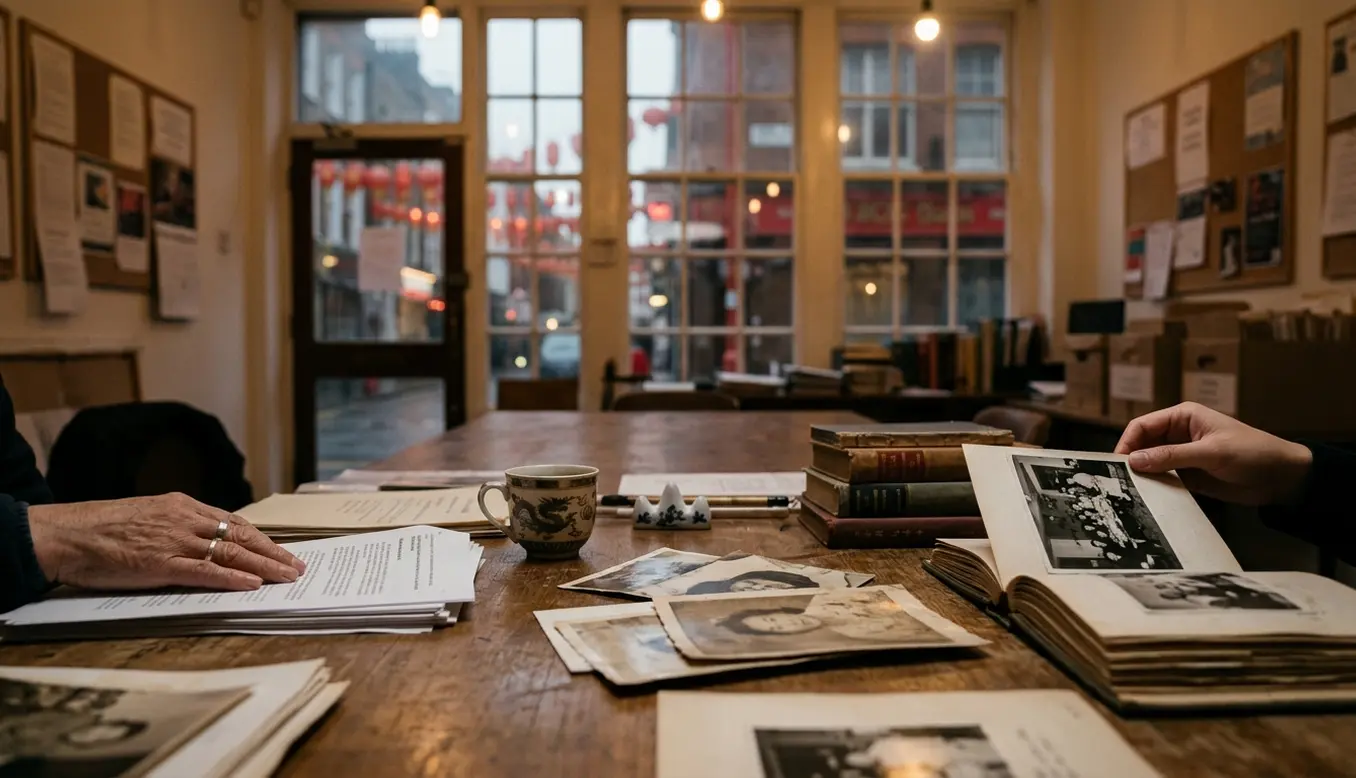
A Snapshot of British Chinese and East Asian Britain
Editorial curation spanning features published between early 2012 and late 2014 captures a distinct era of diaspora life. The digest focuses on everyday community stories rather than a purely macroeconomic reporting angle. That keeps the tone warm and journalistic, close to life on the ground.
These are everyday lives unfolding alongside national news moments. Readers will find trailblazing businesses, cultural traditions, and the people behind them. Cultural heritage profiles sit alongside national headline summaries, offering a grounded look at a community in transition.
The stories collected here serve as a useful baseline. They document a period when established immigrant networks began visibly handing the reins to a new, highly integrated generation.
Trailblazers: Family Kitchens and Entrepreneurs
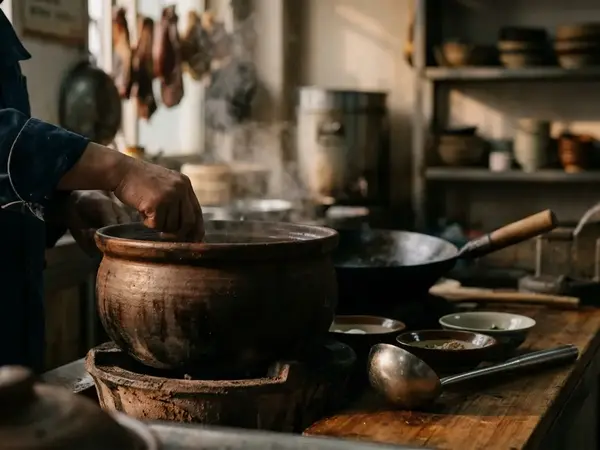
Sweet Mandarin represents a clear shift in diaspora entrepreneurship. Founded in 2004, the restaurant is driven by the Tse sisters: Helen, a lawyer, chef, and author; Lisa, a financier and chef; and Janet, an engineer and co-founder. They developed gluten-free, MSG-free, and nut-free sauce formulations for modern retail markets.
Assuming all diaspora businesses follow the traditional takeaway model ignores the shift toward specialized, allergen-free retail products. The Tse sisters turned a point of pride into a modern reinvention of heritage cooking, proving that traditional flavors can adapt to contemporary dietary demands without losing their identity.
Institutional support also plays a role in this changing business landscape. The China UK Entrepreneurship Challenge launched at Norwich Business School on 27 January 2014. Co-founded by Dr Yu Xiong and Professor David Brown under PMI2 Connect, the initiative relied on university sponsors to back emerging ventures.
Main Point: Multi-generational family enterprises illustrate the rapid shift of diaspora entrepreneurship from local service to national retail.
Heritage on Screen and Air
How do communities preserve their historical narratives through modern media channels? Broadcast platforms offer one reliable avenue for archiving these fragile histories.
Anna Chen's 'Chinese in Britain' Radio 4 Extra series tackled this directly. Rebroadcasts running from 27 October to 28 November 2014 revived the original 2007 material. The series covered Michael Shen Futsong as the first documented Chinese visitor, the 'Takeaway Generation', the forced repatriation of merchant navy sailors, and the rise of Wing Yip. You can explore the Chinese in Britain on BBC Radio 4 Extra archives for the full audio.
Visual media tackles more immediate social fractures. The 'Living with Dead Hearts' documentary by Charlie Custer and Leia Li focused on missing children and the volunteer group Baby Come Home. Conception and filming phases spanned 2010 through 2013, using regional search platforms like Baidu Xunren to locate missing individuals.
Cultural milestones also prompt reflection. Bruce Lee's legacy was marked on the 40th anniversary of his death on 20 July 2013, with his daughter Shannon Lee discussing the lasting impact of 'Enter the Dragon'.
Inside a British Chinese Wedding
The inclusion of real couples grounds traditional rituals in practical, modern-day event planning contexts. Pui Fong and Peter Fong, a Hakka family photographed by Garry Chung of Docklands Wedding Photography, offer a prime example of how ancient customs adapt to modern British venues.

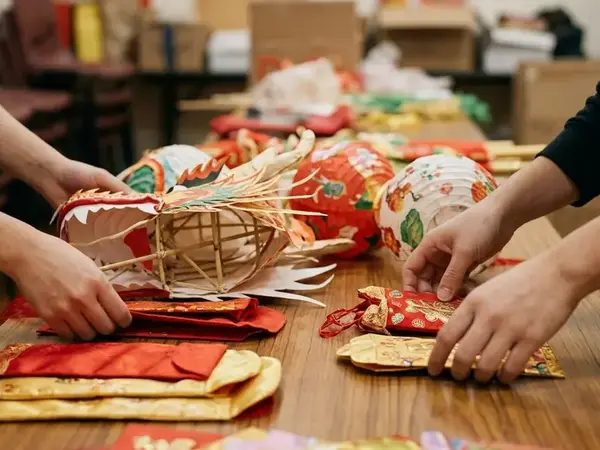
A diaspora wedding involves a complex sequence of events. Key rituals include the tea ceremony, the hair-combing ritual symbolising longevity and fertility, and the 'Fetch the Bride' door games. Families exchange Li Shi red envelopes, and specific dowry items like coconuts are included to symbolise 'more sons'.
The execution of traditional wedding rituals varies heavily depending on the specific regional heritage of the families involved, such as Hakka versus Cantonese traditions. Bilingual coordination is a firm requirement for ceremonies involving elderly diaspora guests, ensuring that both the English-speaking bridal party and the dialect-speaking grandparents can participate fully.
Caution: The bilingual coordination strategies detailed here apply primarily to first- and second-generation diaspora gatherings, with less relevance in fully assimilated or monolingual family structures.
Community Hubs and Cultural Life
What sustains cultural identity when the initial immigrant generation ages? Physical community hubs show the ongoing demand for in-person cultural exchange and language education.
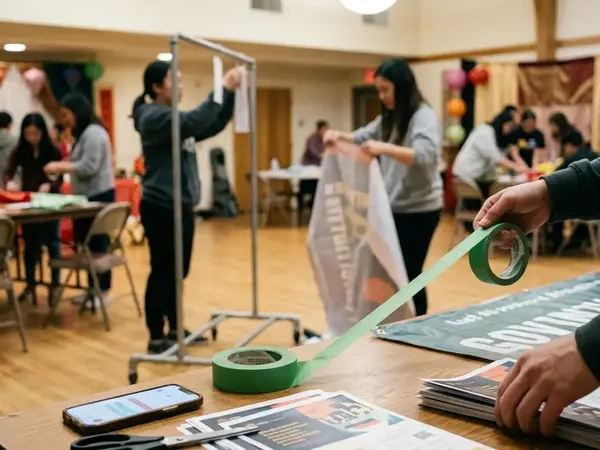
The British Chinese Society, founded in 2001 by Paul Ho and organised by Kuan Lee, built its reputation on Dim Sum socials. These gatherings provide a low-barrier entry point for networking. More structured spaces soon followed to meet deeper cultural needs.
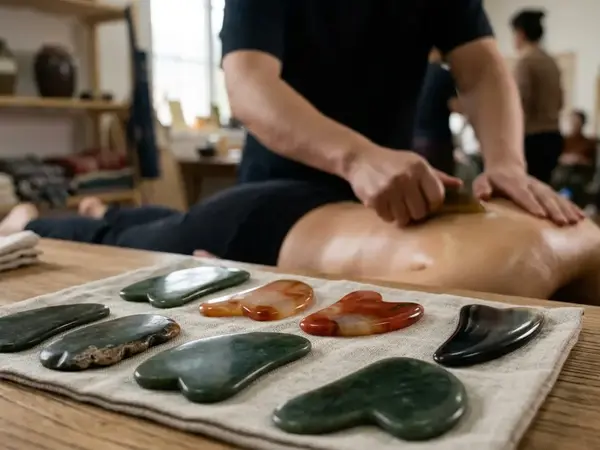
Tang Long Chinese Cultural Centre opened on 8 February 2014 with Shifu Heng Wei, a 35th Generation Shaolin Master. The centre brought together traditional martial arts—Wing Chun, Sanda, and Ba Ji Quan—and traditional medicine practices within local cultural centres, alongside casual Mahjong games. Meanwhile, the Marco Polo Academy established a bilingual primary education model opening in September 2014. Operating as a free school using the Singapore AIMS curriculum, it addresses the language gap early with a structured approach.
These spaces do more than teach skills. They are where community members debate local politics, share business advice, or discuss cultural touchstones like the classic play The Orphan of Zhao.
The Bigger Picture: Headlines and What This Coverage Covers
Community features also sit within broader national acquisitions and political addresses. The concluding section of this digest places local stories against larger events, showing how diaspora life intersects with global economics.
Geely's Manganese Bronze acquisition, finalized in February 2013, saved the British black taxi. Li Shufu spearheaded this move, linking a global automotive sector acquisition directly to a British cultural icon. On the political front, David Cameron delivered annual political addresses coinciding with the lunar calendar cycle, acknowledging the community's growing influence.
This digest is not a complete record. Dates and details reflect the original published features and may have moved on. Treat each entry as a starting point into a wider, living community story.


Share Your Opinion