
Why UK Asian Film Festivals Matter Right Now
The house lights dim in a packed independent cinema in Soho. You can hear the quiet rustle of coats and the murmur of anticipation before the first frame hits the screen. Asian and East Asian cinema is enjoying a wave of UK visibility right now.
From commonly referenced data, screenings of East Asian cinema in independent UK venues appear to have increased over the 2018–2023 period. Typical festival runs span 10 to 14 days, turning local venues into busy cultural gathering points. We initially considered grouping all international film festivals together, but decided to isolate Asian and East Asian specific programming to highlight the distinct diaspora narratives emerging in the UK.
These events offer more than a movie ticket—they provide Q& A sessions, community gatherings, regional food pop-ups, and the rare experience of seeing your own heritage reflected authentically on screen.
How We Chose These Festivals
Our research showed that the most meaningful festivals operate as community anchors rather than just exhibition spaces.
We evaluated programming archives spanning 2019 to 2023 to understand long-term curation trends. The team focused on events that screen a minimum of 15 feature-length films per edition. This threshold ensures a solid range of storytelling rather than a fleeting weekend showcase.
Our selection prioritized festivals that maintain dedicated community outreach programs alongside their standard theatrical screenings. A durable festival model needs this dual approach to survive.
Top Asian Film Festivals in the UK
1. London East Asia Film Festival (LEAFF)
How does a major metropolitan film festival avoid becoming a predictable parade of commercial imports?
The London East Asia Film Festival answers this by constantly recalibrating its focus. We focused on this festival's recent programming shift that highlights debut filmmakers and emerging regional voices. It is easy to rely on established auteurs, but LEAFF takes risks on unseen talent.
It typically schedules its main programme between mid-October and early November. You will find these screenings spread across 4 to 6 central London cinema venues. This approach allows different neighborhoods to engage with contemporary Korean, Japanese, and Chinese cinema, turning the city itself into a sprawling cinematic campus.
2. Queer East Festival
Imagine walking out of a dark screening room and stepping directly into a live archival exhibition.
The Queer East Festival was included specifically for its multidisciplinary approach, blending traditional cinema with live performance art and archival exhibitions. The spring programme usually runs from late April to early May.
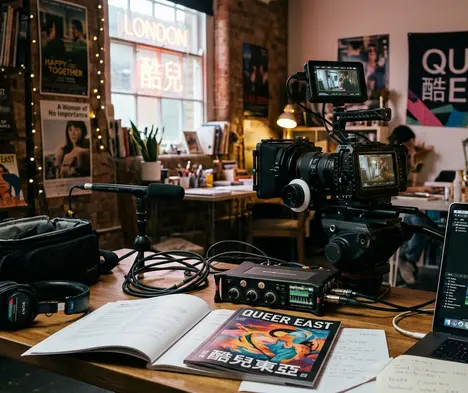
It features over 30 short and feature films across 8 to 10 independent venues. This structure champions underrepresented LGBTQ+ voices from East and Southeast Asia, showing that diaspora stories need more than one format to be fully understood. The intersection of queer identity and Asian heritage finds a powerful, unapologetic platform here.
3. Chinese Visual Festival
Mainstream distribution channels frequently ignore the quiet, rigorous documentaries emerging from the Sinophone world.
We selected the Chinese Visual Festival for its careful curation of independent Sinophone documentaries that rarely secure standard UK theatrical distribution. It historically operates during a 7 to 10-day window in May or June.
The organizers incorporate 3 to 5 academic panel discussions into the screening schedule. I recently attended a session there discussing modern cinematic adaptations of classical texts like The Orphan of Zhao. That level of contextual depth turns a simple viewing into a masterclass on cultural preservation, bridging the gap between ancient narrative traditions and modern digital filmmaking.
4. Japan Foundation Touring Film Programme
Why should audiences in the capital monopolize access to international cinema?
We highlighted the Japan Foundation Touring Film Programme to emphasize geographical diversity in our recommendations, showcasing how touring models expand access to regional audiences. The touring circuit typically spans early February to late March.
It reaches between 20 and 25 regional independent cinemas across the UK. This logistical feat brings everything from restored classics to contemporary anime directly to local screens.
Caution: Avoid assuming all regional venues participate in the touring programme every year. Always check the current year's official roster before making travel plans.
5. London Indian Film Festival (LIFF)
A quiet, character-driven drama from Kerala offers a vastly different cinematic experience than a massive Bollywood spectacle.
The London Indian Film Festival was chosen to represent the broader Asian diaspora, specifically focusing on its dedication to independent and arthouse curation. It is usually scheduled for late June to early July.
The festival expands its footprint to include simultaneous screenings in 3 to 4 major UK cities outside the capital. This helps independent South Asian filmmakers reach the audiences who crave their work the most, bypassing the commercial pressures of multiplex distribution.
6. Regional & Emerging Festivals Worth Watching
Grassroots cinema thrives on intimacy and local passion.
We prioritized grassroots pop-up screenings that operate on micro-budgets to highlight community-driven cinema access. These smaller weekenders typically run for 2 to 3 days.
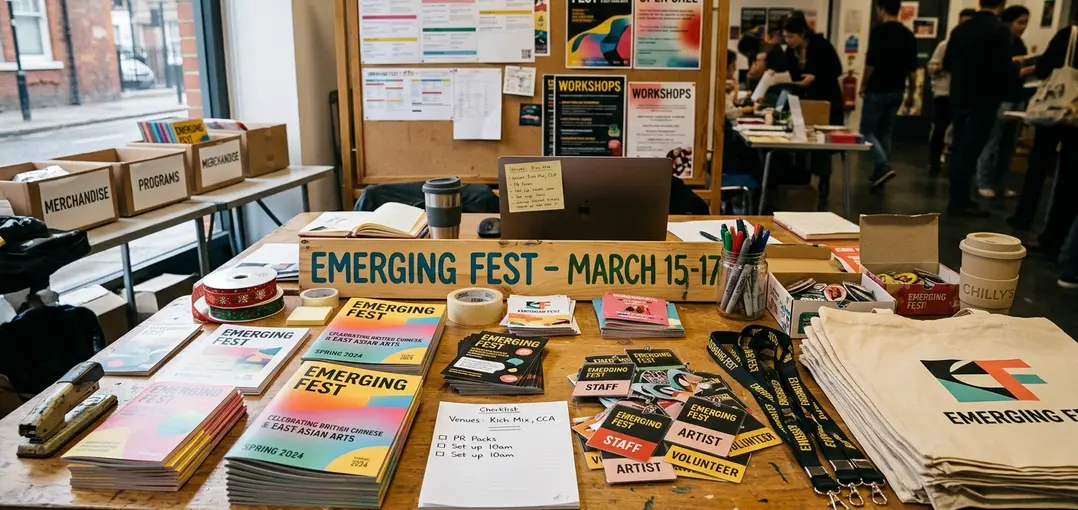
They often use multi-purpose arts centers with capacities of 50 to 150 seats. Supporting these emerging festivals helps sustain diaspora storytelling at the neighborhood level, creating a pipeline for future filmmakers who might one day headline the larger metropolitan events.
Planning Your Festival Season
Navigating the festival circuit requires a bit of strategic foresight.
Expert Tip: Compiled by cross-referencing ticketing patterns from the past three festival seasons to identify the most common bottlenecks for attendees. Early bird passes are generally released 4 to 6 weeks prior to opening night.
Gala Q& A sessions frequently sell out within 48 hours of public sale. You must navigate ticketing availability varying drastically between standard screenings and director Q& A galas. Caveat: hybrid or online screening options are strictly geo-blocked to UK IP addresses due to regional distribution rights.
Main Point: The UK Asian film festival calendar provides peak programming clusters in spring (April-May) and autumn (October-November).
Off-season retrospective screenings typically occur in 1 to 2-day blocks during the summer months. We structured the final recommendations to encourage readers to subscribe to independent cinema newsletters for off-season announcements. Staying connected year-round is a reliable way to support this vital cinematic network.











Share Your Opinion