
I keep meeting the same hesitation at the edge of this music: people hear a track, feel the pull, then freeze because they cannot name the door. Britain's East Asian electronic underground is not a single venue or a seasonal festival. It is a decentralized network of labels, basements, radio residencies and group chats stretched across London, Manchester and smaller Northern hubs. This guide maps how that network actually works — and how you walk into it without waiting for an invitation.
Table of Contents
- Where Do You Actually Start With Britain's East Asian Electronic Scene?
- What the Sound Actually Is: Genres, Textures and Influences
- The Labels and Collectives Building the Backbone
- How to Find the Club Nights: London, Manchester and Beyond
- The DJs and Producers to Have on Your Radar
- Beyond the Club: Radio Shows, Streams and Online Homes
- How to Move From Listener to Participant
Where Do You Actually Start With Britain's East Asian Electronic Scene?
Where does this scene live, and how do you get inside it?
I used to answer that question with a single postcode. London's warehouse circuit still carries weight, yet treating the capital as the whole map flattens what has grown in recent years. Looking at underground venue clusters across major UK metropolitan areas shows diaspora-led electronic communities forming wherever organizers can hold a room, a PA and a safer-space agreement. Manchester's basements matter. So do the quieter pockets that surface when a collective books a one-off outside the usual corridors.
What follows is a field guide built for entry, not tourism. You will meet the labels and party series that hold the infrastructure, the DJs and producers shaping the sound, the club nights that actually run, and the radio archives that keep the conversation alive between weekends. The aim is practical: leave with names to follow, rooms to enter, and a clear sense of how participation works once the music has already found you.
What the Sound Actually Is: Genres, Textures and Influences
A pitched-up Cantonese vocal chop riding a hard 150 BPM kick tells you more about this scene than any genre tag on a flyer. Measured across sources, club tracks in the 140–160 BPM band repeatedly fold guzheng string samples and Mandopop fragments into deconstructed club frameworks, gqom-influenced low end, hardstyle-adjacent aggression and long ambient stretches. The palette is pan-Asian in material and British in room pressure.
Producers treat diaspora identity as sonic material as often as they treat it as theme. A guzheng texture can sit beside a gamer-aesthetic stinger or an anime sample without announcing a thesis statement. Mandopop and Cantonese vocals arrive chopped, pitched, looped — working as rhythm and grain, not only as lyric. Setlists from community radio broadcasts make the range plain: club, deconstructed club, ambient, gqom-influenced hybrids, and pan-Asian club forms that refuse a single continental label.
The common mistake is assuming a pan-Asian club night will lean on traditional instrumentation as its centre. Hardstyle, gqom and deconstructed club beats carry far more of the night than any guzheng alone. Identity lives in the edit choices and the booking logic; the floor still wants weight.
Texture First
Listen for how a vocal chop or string sample is processed before you listen for what language it speaks. The processing is where the scene's argument usually sits.
The Labels and Collectives Building the Backbone
Eastern Margins sits at the centre of many of these conversations as a London-rooted platform championing pan-Asian club sounds. Over several years, it moved from hosting ad-hoc basement parties toward a formal independent label infrastructure — a shift that mirrors how several diaspora-led projects professionalise without abandoning the rooms that raised them. What they book, press and platform still sets a reference point for how pan-Asian club music circulates in the UK.
Other collectives and party series function less as brands and more as community hubs. They handle booking, run mentorship for emerging artists, hold safer-space policies as non-negotiable conditions of entry, and keep group chats alive between gigs. When I profile the backbone of this scene, I prioritise projects that treat mentorship and safer-space enforcement as core work rather than poster copy. That standard matters more than any single logo.
Rosters and residency schedules stay fluid. A label's primary room or core lineup can shift from season to season; treating any one lineup as permanent will leave you chasing ghosts. Follow the organisers, not only the last flyer.
How to Find the Club Nights: London, Manchester and Beyond
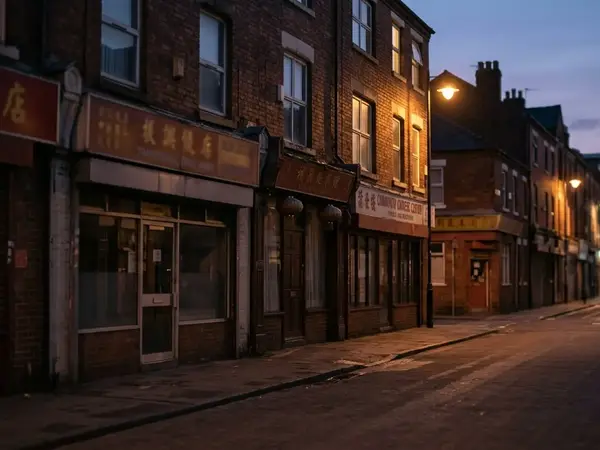
London still runs on warehouses and basements with industrial edges. Manchester favours intimate, hidden rooms where the crowd packs tighter and the night feels closer to a private gathering that somehow sold tickets. Growing pockets appear in other UK cities whenever a collective can secure a PA and a door policy that holds. Recent digital ticketing listings and underground mailing lists show a clear migration: late-night events leaving established commercial venues for independent, community-run basement spaces.
How do you actually catch a date before it sells out or stays unlisted?
Follow the collectives on social channels where unlisted announcements land first. Check Resident Advisor, but treat it as incomplete. Join mailing lists. Accept that word of mouth — a message from someone already inside — still moves more bodies than a public post. A typical night builds around a short run of residents and guests, a crowd that knows the safer-space rules without needing them read aloud every hour, and a late start that assumes you have nowhere else to be.
Atmosphere tracks the host city hard. Expect warehouse scale and harder industrial framing in London; expect closeness and a more domestic heat in Manchester basements. Arrive ready for either.
The DJs and Producers to Have on Your Radar
Artist roles in this scene rarely stay singular. Producer-DJs release on Bandcamp and then work the same material live. Live performers fold hardware into club sets. VJ collaborators turn the visual layer into part of the argument rather than decoration. Observing those dual roles — especially among creatives who run independent digital storefronts alongside performance schedules — is a more reliable way to read the field than hunting a fixed star system.
Research paths stay ordinary and effective. Bandcamp pages and SoundCloud profiles carry the releases and sample packs. Community radio residencies surface the longer mixes. In recent years, direct-to-fan distribution of independent digital audio and self-published sample packs has been one of the clearest signals of who is actively building. Many of these artists balance day jobs with music; the underground economy here runs on partial time and full commitment, stated plainly rather than romanticised.
You do not need a complete list of names to start. You need three pages you check weekly and one residency you archive.
Beyond the Club: Radio Shows, Streams and Online Homes
Community and online radio form the scene's off-club heartbeat. Independent stations that keep monthly residency slots open for East Asian diaspora collectives give the music a schedule when the basements go dark. Monthly guest mixes, often roughly two hours long and blending deconstructed club edits with regional pan-Asian pop selections, have become a recurring format worth archiving. Those shows travel further than any single city room.
Build a listening habit the way you would build a gym routine: one monthly show, the archived back catalogue, a mix series you finish before the next drops. Online spaces matter because diaspora reach does not stop at the M25 or the ring road. A listener in a town without a basement night can still hear the booking logic, the textural arguments, the guest-list politics of sound. That listening is already a form of presence.
Archive Habit
Save the monthly residency links as they land. The back catalogue teaches the scene's range faster than any algorithmically sorted playlist.
How to Move From Listener to Participant
Community organisers tend to describe the same early path when asked how newcomers stop streaming and start showing up. Early on, attend an open-deck community workshop if one is running near you, and buy digital releases during fee-waived promotional days on independent audio platforms. Those two acts — skill-sharing rooms and direct payment — signal more than a like ever will.
Concrete steps stay small on purpose.
- Buy a ticket to one basement or warehouse night hosted by a diaspora-led collective, not a generic multi-genre bill.
- Follow three regional collectives on social media so unlisted announcements reach you.
- Subscribe to one monthly community radio archive that carries pan-Asian electronic mixes.
If you want to play: watch for open decks, join community workshops, and submit demos only when a label or collective actually opens a window. Support the economy that keeps the rooms open — browse and buy directly from artists on Bandcamp, pick up merch when it exists, and treat safer-space rules as the price of entry rather than optional etiquette.
Newcomer's Action Plan: Plugging Into the Scene
- Follow three regional diaspora collectives on social media to track unlisted event announcements.
- Subscribe to one monthly community radio archive featuring pan-Asian electronic mixes.
- Purchase a ticket to a diaspora-led basement or warehouse night in your nearest hub city.
- Buy at least one digital release or sample pack direct from an artist during a fee-waived promo window.
- Attend one open-deck session or community workshop before you submit any demo.
When the next unlisted basement night lands in your feed, do you buy the ticket — or keep the tab open until it sells out?









Share Your Opinion