
Living in the Hyphen
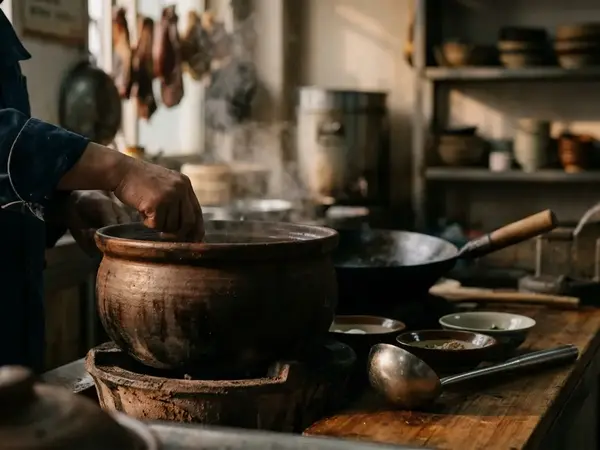
The counter sat between two worlds. Greaseproof paper wrapped fish and chips on one side while porcelain bowls of rice steamed in the back kitchen. My parents moved between the registers and the woks without pause during those late 1990s and early 2000s shifts.
Being British Chinese is not a halfway compromise but a whole identity in its own right. The hyphen does not split; it joins on its own terms.

This concrete arrangement of spaces shaped how I later read literature and art. The same logic appears in diaspora writing that refuses to resolve into one national frame.
The Language of Belonging
Cantonese, Hakka and English circled the dinner table. School topics slipped into Cantonese sentences with English syntax between about ages five and eleven. The pattern became automatic.
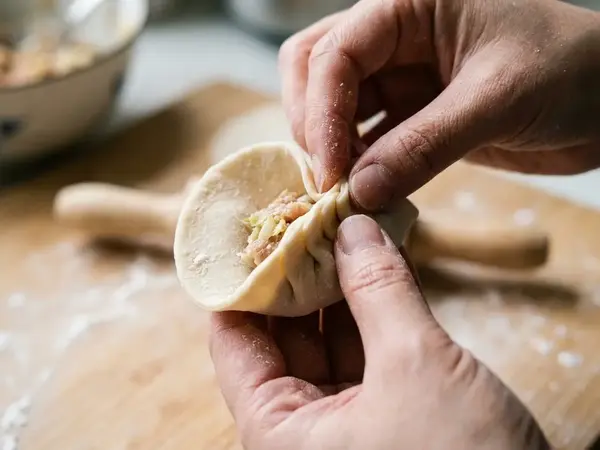
Fluency sometimes thinned across generations when relatives visited. Food and festivals carried the rest. Dumplings folded on Sunday afternoons, red envelopes at New Year and the rhythm of shared meals spoke belonging without needing full sentences.
Not Quite British, Not Quite Chinese?
Visits back to relatives brought direct scrutiny. Tonal slips and unfamiliar colloquialisms drew comments during those roughly three- to four-week summer stays. The same accent and surname that marked difference in the UK suddenly read as foreign there too.
That double friction does not prove identity incomplete. It marks a third space with its own rules. Letting accent or appearance decide belonging hands the definition to outsiders.
Building a Home That Holds Both
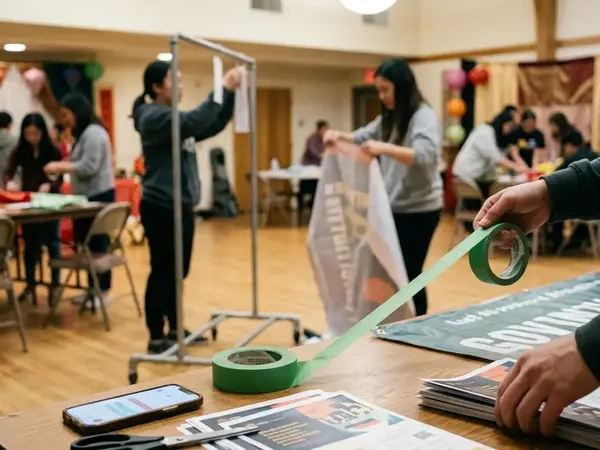
Home forms through deliberate choices rather than inheritance alone. Independent zines and pop-up kitchens emerged in the late 2010s and early 2020s, serving dishes such as char siu Sunday roasts. These efforts built collective reference points.
Traditions survive when adapted on personal terms. The next generation receives only what fits current life. This selective transmission keeps practices alive without freezing them.
What I Choose to Carry Forward
Belonging is built, not granted. Heritage functions as daily practice. Transcribing family recipes into measured grams turns oral knowledge into something that travels forward across the next ten to fifteen years.
The act itself matters more than any fixed archive. Readers can ask what elements of their own background they decide to measure and pass on.



Share Your Opinion