
A Laminated Timetable in a Borrowed Room
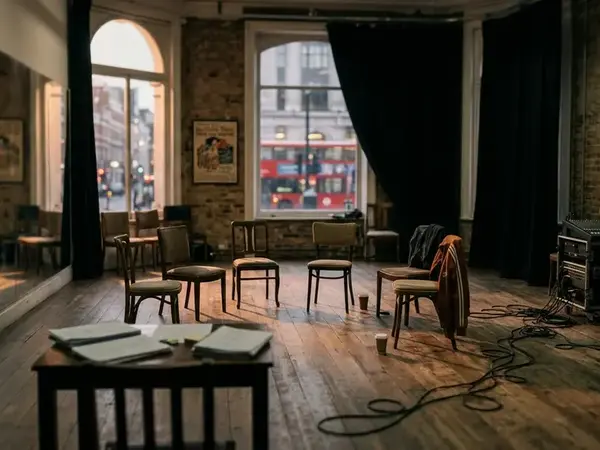
The physical reality of grassroots organizing rarely matches the polished press releases that follow months later. On a late-August evening, between roughly 19:00 and 21:30, the early work for a national cultural movement took shape in a borrowed upstairs room above a restaurant. Trestle tables held boxes of unsorted programme leaflets. A laminated week-by-week timetable, taped hastily to a whiteboard, dominated the space. In one corner, a volunteer stayed on the phone, chasing a venue manager for a delayed public liability certificate. The entire operation rested on a six-column spreadsheet tracking the venue, the contact person, and the confirmation status for dozens of proposed events.
This is the unglamorous machinery behind East and Southeast Asian (ESEA) Heritage Month. Marked each September in the UK, the initiative grew from a small volunteer campaign into a recognized fixture within institutional calendars. The shift required immense logistical discipline. Abstract community goals had to be translated into rigid timelines. Unpaid evenings blurred into endless WhatsApp threads. Every confirmed booking represented hours of negotiation, often conducted by people balancing this work alongside full-time jobs.
That transition offers a practical case study in scaling cultural visibility. The organizers built an infrastructure capable of supporting a nationwide program without relying on a central commissioning budget. They navigated the friction between community aspirations and institutional requirements. The resulting framework shows how marginalized groups can carve out permanent space in the cultural landscape through persistent organizing.
The Pressure That Made a Month: Why a September Slot Was Worth Fighting For
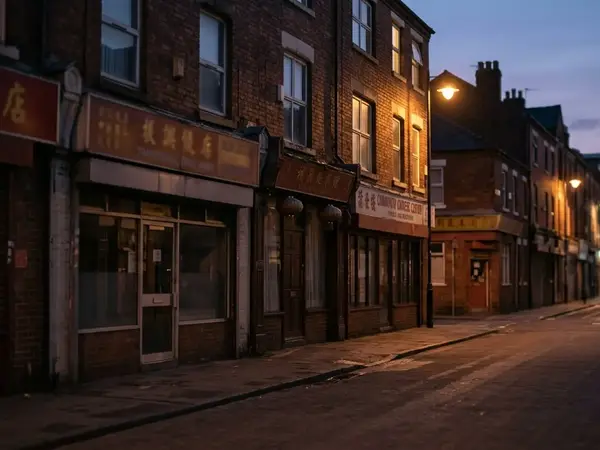
British ESEA communities historically lacked a shared moment in the UK cultural calendar. Lunar New Year coverage dominated the public imagination, frequently flattening many distinct heritages into a single, easily digestible image of Chinatown. This seasonal hyper-visibility left a void for the rest of the year. The early-2020s surge in community organizing, driven by a sharp rise in anti-East Asian abuse, transformed this absence into an urgent operational issue. Organizers recognized the need for a dedicated platform to highlight cultural contributions and historical presence, broadening the public conversation beyond the immediate crisis of racial violence.
A structural barrier complicated this effort: data invisibility. UK ethnic group classifications historically split these populations, making the community difficult to count, fund, or plan for at a municipal level. Drawing on the ethnic group categories used in UK official statistics, individuals were often divided between 'Chinese' and 'Other Asian'. This fragmentation meant local authorities lacked the demographic data typically used to justify cultural funding allocations.
Selecting September established a new container for cultural contribution. The organizers deliberately positioned the month outside the Lunar New Year cycle. Aligning with the start of the UK academic year allowed programming to stretch across a full four-week window rather than compressing into a single weekend festival. This extended duration provided the breathing room necessary for complex discussions, historical exhibitions, and sustained community engagement.
Naming the Umbrella: The Argument Over the Letters E-S-E-A
How do you title a coalition encompassing dozens of distinct nationalities and migration histories? The first major design decision centered entirely on terminology. This debate consumed about six to eight weeks of initial organizing energy, far exceeding the time spent on early logistics. The term 'Oriental' was widely regarded as unusable due to its colonial baggage. However, adopting 'East Asian' as a standalone identifier presented its own structural problems.
Relying solely on 'East Asian' structurally excluded Filipino, Vietnamese, Thai, Malaysian, Indonesian, Singaporean, and Burmese communities. The core team actively commissioned Southeast Asian representation to balance the existing volume of Chinese-heritage organizations involved in the early planning stages. Through these intensive discussions, the broader 'ESEA' acronym emerged as the most accurate reflection of the coalition they intended to build.
Adopting a wide umbrella carries a specific communication cost. Outside the immediate community, the acronym remains largely unrecognized. Every press release, poster, and venue email must dedicate a line to explaining the letters. Organizers accepted this friction as a necessary trade-off. The inclusive terminology prioritized internal community cohesion over immediate external brand recognition, setting a precedent for how the month would operate moving forward.
Building a National Calendar With No Central Budget
Securing funding for a nationwide festival typically requires years of grant applications and corporate sponsorships. The choice that bypassed this bottleneck was the adoption of an open, decentralized listings model. The central volunteer team built the calendar infrastructure and the shared branding assets. Participants brought their own events, secured their own venues, and managed their own funding.

This approach differs from a curated program. A curated month demands commissioning funds, formal contracts, and comprehensive insurance policies. An open month requires a reliable submission form, a strict deadline, and a small moderation team. By removing themselves from the direct funding role, the organizers enabled the calendar to scale rapidly across different cities and disciplines.
The submission pipeline operates on a strict schedule. A call-out is issued months ahead of September. Based on typical values, the submission window closes 45 to 60 days prior to the launch, allowing sufficient time to assemble print materials and coordinate press outreach. A single monitored inbox and one version-controlled press list keep the communications manageable. The moderation team performs a light vetting step, ensuring all listings remain culturally relevant and adhere to basic safeguarding principles without attempting to dictate artistic direction.
Working With Museums and Councils Without Being Swallowed by Them
Visibility attracts institutions. Once large museums and local councils began asking to program events for the month, the organizers faced a critical decision regarding control. The structural friction between 12-month institutional funding cycles and 6-week grassroots volunteer timelines threatened to derail the decentralized model. Public funders plan their budgets a year or more in advance. Volunteer groups often confirm venue details mere weeks before an event.
The immediate fix involved publishing dates and overarching themes far earlier than the grassroots timeline strictly required. This adjustment gave institutional partners the lead time necessary to allocate resources. However, navigating these institutional relationships requires careful localized planning. Partnership arrangements and funding agreements vary enormously by city and venue, meaning organizers must secure their own localized advice on licensing rather than relying on a standardized national contract template.
To prevent tokenism, the core team established clear guardrails. They insisted on the involvement of ESEA curators and the equitable compensation of paid contributors. A single loaned object placed next to a temporary food stall was deemed insufficient. Organizers began asking venues a crucial question during early meetings: what stays in the building after September ends? This focus on legacy ensured that institutional participation resulted in lasting structural changes rather than fleeting seasonal PR.
What Actually Shifted — and What Still Breaks Every August
Evaluating the impact of a decentralized festival requires looking beyond attendance figures. The most significant outcome is the normalization of the event itself. The month moved from a handful of self-organized gatherings to a recognized annual slot. Dedicated listings pages now appear regularly. School and university societies integrate the month into their autumn programming. Publishers actively time the release of books by ESEA authors to coincide with September, and mainstream arts venues issue their own dedicated programming strands.
The terminology victory represents a slower, more durable shift. The 'ESEA' acronym now appears in job adverts, funding briefs, and institutional equality documents. Embedding this language into the bureaucratic machinery of the UK cultural sector ensures the community remains visible in policy discussions long after the September events conclude.
Yet, the infrastructure remains fragile. The central calendar relies on three to four core volunteers managing the digital backend. To mitigate volunteer burnout, the team implemented clear succession plans. Documented handover packs and rotating committee roles help ensure the calendar's survival beyond its founding members. Despite these systems, the pressure reliably spikes every August as late submissions flood the single monitored inbox and institutional partners request last-minute branding approvals.
Essential Architecture for Launching a Heritage Initiative
The planning framework developed over these cycles eventually became a sequential checklist. Settling foundational decisions first prevents operational bottlenecks closer to the launch date.
- Establish the Terminology Early: Fix the name and its spelled-out form before designing any assets. Write a single, clear one-sentence explanation of the terminology and repeat it consistently across all press materials for the next decade.
- Map the Existing Calendar: Choose a date that deliberately avoids the existing festivals your community is already known for. The goal is to add a new programming slot to the cultural year rather than competing with an established one.
- Define the Operational Model: Decide between an open listings model and a curated program immediately. Open models scale quickly; curated models control quality. Attempting a hybrid approach in year one can exhaust the volunteer base.
- Align with Institutional Clocks: If approaching public funders or major museums, initiate contact a full 12-month cycle in advance. Their budgeting processes cannot accommodate grassroots timelines.
The Boxes Come Out Again in August
Inside a community library meeting room in late summer, the transition between organizing years relies entirely on physical continuity. A folding table dominates the center of the space. Underneath it sits a cardboard box filled with last year's leftover promotional posters, the old dates crossed out in thick black marker. The air smells faintly of floor wax and old paper.
A teenager who first attended a film screening two years ago as a quiet audience member now holds the volunteer rota clipboard, tracing a pen down the empty slots. Beside them, a retired committee member points to a specific line on a venue booking form, explaining the quirks of the local council's insurance requirements. The submission deadline is already pinned to the cork noticeboard near the door. The first three event listings are logged neatly on the top sheet of the clipboard. Someone plugs in the kettle.










Share Your Opinion