

Step downstairs into a Soho basement or a Northern Quarter back room on a Tuesday night, and the shift in the British stand-up circuit is immediately audible. Before the first act even touches the microphone, the low hum over the bar carries fragments of Cantonese, Tagalog, and Mancunian-inflected English, while groups of friends pass around bags of pandan pastries smuggled in from a bakery two streets over. For years, East and South East Asian comedians on the UK circuit existed as isolated names on sprawling multi-act bills. Today, a different model is rewriting the arts & culture calendar from the ground up.
What We Mean by an ESEA Comedy Collective
An ESEA comedy collective is a working syndicate of East and South East Asian comedians who jointly share the hosting, booking, promotion, and line-up curation for a recurring live night. Traditional club comedy relies on a solitary promoter slotting individual acts into a bill one by one. A collective operates more like a traditional brigade kitchen: everyone shares the prep work so the service runs smoothly. Core organizing teams typically bring together 4 to 7 comedians spanning British Chinese, Korean, Japanese, Vietnamese, Filipino, and Malaysian heritage.
Industry observers sometimes confuse these groups with the one-off diversity showcases that pop up during heritage months or broadcast commissioning rounds. The difference comes down to ownership and continuity. A showcase is a temporary platform built by an external gatekeeper; a collective is an ongoing engine built on a shared community & identity and a permanent relationship with a room. Founding comedians establish these nights by pooling administrative duties—rotating who manages the ticket link, who designs the social media graphics, and who MCs the room, so the night survives when individual members go on tour or take television writing work.
On the night, that shared structure shapes the rhythm of the show. Standard independent collective bills run for 90 to 120 minutes, structured around 5-to-7-minute open spots for newcomers and 10-to-15-minute sets for established circuit acts. By examining grassroots nights in London and Manchester through observable booking patterns and audience make-up, we can see how these groups are building lasting cultural infrastructure.
Reading the Booking Calendar: Signs a Night Has Moved Beyond the Novelty Slot
You do not need industry spreadsheets to tell whether an independent comedy night is thriving. Drawing on a multi-season audit of public venue calendars by our What's On desk, the clearest measure of a collective's staying power comes from tracking consecutive monthly listings rather than relying on single-night press releases. Anyone browsing local listings can spot a collective moving from a fledgling experiment to a permanent fixture by applying a four-signal venue calendar audit: fixed monthly residency cadence, pub-back-room to arts-studio capacity upgrade, mainstream club cross-booking of collective members, and summer festival preview banners.
The first signal is calendar rhythm. Most groups begin with irregular pop-up dates whenever a venue has a dead Tuesday to fill. A collective's transition from irregular pop-ups to a fixed monthly or bi-monthly slot on a dedicated comedy basement or arts-centre calendar typically takes 6 to 9 months of consistent door sales. Once a venue locks a group into the "first Thursday of every month," the management trusts that the collective's audience will show up regardless of the weather or competing film & music events.
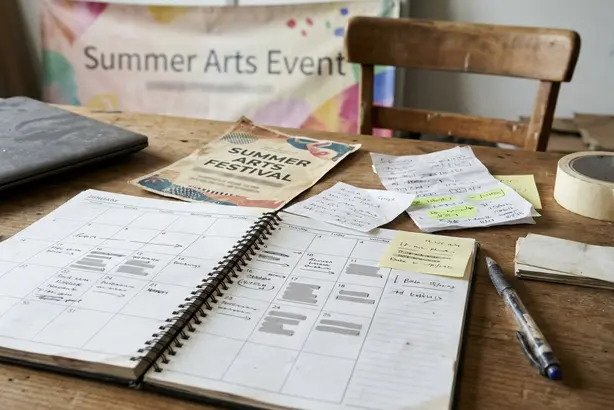
The second signal is physical space. Watch the room descriptions on the booking links. Upgrading from an unticketed pub back room (30 to 45 seats) to a ticketed basement or studio space (80 to 150 seats) happens just before acts begin listing summer festival work-in-progress runs under the collective's banner between May and July. When a collective starts hosting Edinburgh Fringe previews under its own stamp in a 120-seat arts-centre studio, and its resident MCs simultaneously appear on weekend bills at mainstream commercial clubs, the group has officially outgrown the novelty slot.
London and Manchester: Two Cities, Two Routes onto the Bill
How does the geography of a city shape the way these collectives grow? A comedy night in Zone 1 faces a completely different set of pressures than one launching inside the Manchester ring road. Producers in the capital navigate an overcrowded weeknight circuit by sharpening a distinct thematic niche to stand out on listings sites, whereas northern organizers build longevity by partnering directly with independent city-centre venues and nearby cultural hubs.
- Venue Density and Location: London grassroots collectives frequently book weeknight rooms within a 15-to-20-minute walk of central transport hubs, competing against dozens of simultaneous open-mic and club bills. Manchester collectives operate in a tighter ecosystem where securing a reliable room depends on deep, personal relationships with a handful of independent venue managers.
- Typical Room Size: In London, collectives often start in compact 30-to-45-seat pub rooms above noisy bars before graduating to 100-seat Soho or Vauxhall basements. Manchester nights frequently partner early on with hybrid arts spaces and independent studios that can flex between 60 and 120 seats.
- Stage Time for Newcomers: Because London has a high concentration of aspiring performers, those coveted 5-to-7-minute open spots are heavily oversubscribed, often requiring months of waiting. In the North, the smaller pool of acts means promising newcomers can earn repeat stage time faster, developing their voice in front of the same returning crowd.
- Cross-City Touring: London bills draw heavily from performers living within the Oyster card zone. Manchester collectives regularly act as a regional magnet, coordinating bi-monthly runs and cross-city carpools with acts travelling 2 to 4 hours from across the North and Midlands.
- Links to Community Spaces: In both cities, the smartest producers step outside traditional comedy promotion. They build ties with local food & drink businesses, dropping posters into Chinatown bakeries, bubble tea shops, and East Asian bookshops where their core audience already spends Saturday afternoons.
These structural differences apply strictly to the grassroots 40-to-150-seat club boundary separating collective residencies from theatre tours and broadcast showcases, and local conditions shift rapidly whenever independent venues change management or close. Still, the contrast highlights a vital lesson: London rewards sharp branding in a crowded market, while Manchester rewards regional solidarity.
Who Fills the Seats: Diaspora Regulars and Curious Newcomers
Walk into a collective night ten minutes before doors open, and you will see three generations sharing the same queue. Near the front are British-born East and South East Asians in their twenties and thirties who grew up watching panel shows where nobody looked like their cousins. Behind them stand clusters of international students looking for a slice of home, older aunties and uncles coaxed out for a birthday treat, and general comedy regulars who simply know that a well-curated independent room beats a tourist-trap club every time.
This mix does not happen by accident; it reflects the changing shape of British cities. Readers curious about the broader demographic baseline across English regions can explore the Census 2021 ethnic group data from the Office for National Statistics, which maps the urban population hubs that make these packed weeknight turnouts possible. Inside the venue, however, demographics turn into live electricity.
Having a mixed room changes the mechanics of stand-up. Performers calibrate their material in real time from the stage, opening with culturally specific observations about heritage, food, and family dynamics to bond the diaspora core before widening the premise so first-time comedy goers and non-ESEA friends stay equally engaged. A comedian might start a routine by mimicking the exact pitch of a Cantonese mother inspecting a slightly bruised mango, drawing an instant roar of recognition from half the room. Within thirty seconds, the act pivots that detail into a broader story about parental guilt and rising supermarket prices, pulling the entire basement into the same laugh.
Nobody needs a glossary to follow the punchlines. Instead, the specificity makes the comedy sharper for everyone. When the cultural barriers drop, the social warmth spills over after the lights come up. Post-show crowd linger times in the venue bar regularly stretch 45 to 60 minutes after the final act steps offstage, driving the secondary wet sales that convince venue managers to renew a collective's booking.
The Unglamorous Habits That Keep a Residency Alive
Good jokes fill a room once, but dry administrative discipline keeps the residency alive for circa three years. Grassroots comedy is littered with brilliant nights that vanished after four shows thereabouts because the founder got exhausted chasing ticket links and sound cables alone. Lasting collectives treat their operation with the rigour of a small hospitality business.
Sharing the Offstage Load
The first survival habit is ruthless task rotation. When a team of 4 to 7 comedians splits the backstage work, no single person becomes a bottleneck. One member handles the door float and ticketing spreadsheets for two months; another edits the vertical video clips; a third liaises with acts over running orders. If the resident host lands a four-week filming block or needs a break, another collective member steps up to the microphone without breaking the night's tone.
Treating the Venue as a Business Partner
The second habit happens months before a single poster is printed. Organizers typically lock in residency dates and venue agreements 3 to 6 months ahead, confirming the door-split versus flat room-hire fee, sound technician availability, and a 14-to-28-day cancellation notice period. Venue managers care about two things on a Tuesday or Wednesday night: predictable administration and wet sales across the bar. Collectives that settle their invoices promptly, bring a crowd that stays for a drink after the final bow, and stick to a consistent night of the week become a landlord's favourite booking.
Bar Tab Power: Venues judge a grassroots residency by the till ring in the vicinity of 10:30 PM. Ordering a round of drinks during the interval and lingering with friends after the headliner finishes is the single strongest lever audiences have to keep an ESEA comedy night on the venue's calendar.
Calendar awareness also extends to cultural touchstones. Rather than waiting for mainstream festivals, savvy collectives anchor their year around community dates. Seasonal specials tied to Lunar New Year (January or February) and the Mid-Autumn Festival (September or October) are promoted 4 to 6 weeks in advance through flyer drops at local East Asian bakeries, bookshops, and restaurants. Those flyers do more than sell tickets; they weave the comedy night into the everyday fabric of the neighbourhood.
Picking Your Next Night: Turning Interest into Repeat Attendance
Suppose it is a rainy Sunday evening and you are scrolling through listings to plan your month. You spot two comedy bills: one is a one-off corporate-sponsored showcase in a giant theatre, and the other is an independent ESEA collective hosting its monthly Thursday residency in a 90-seat basement near Chinatown. You check the collective's line-up and notice two veteran circuit headliners alongside three newer acts doing 5-to-7-minute spots. Instead of waiting until Thursday afternoon to see how you feel, you buy two tickets right then, drop the date into your group chat, and put a reminder in your phone for next month's date.
That simple sequence is the lifeblood of grassroots arts & culture. Purchasing advance tickets (£8 to £15 at the grassroots level) 10 to 14 days prior to the show date gives collective bookers the confirmed headcount needed to avoid last-minute venue room downgrades. When a venue sees forty tickets sold two weeks out, they keep the collective in the main basement studio with the proper stage lighting and dedicated sound tech, rather than shuffling them into a noisy upstairs bar to make way for a private party.
Making a habit of the night rewards the audience just as much as the performers. Returning to the same residency across 2 to 3 consecutive monthly cycles exposes audiences to a rotating roster of 12 to 18 different comedians due to how collectives cycle their open spots and headliners. You get to watch a nervous newcomer nail their first five-minute set in October, and then see that same comic return in February to crush a ten-minute middle spot. Following the collectives directly on social media and joining their mailing lists ensures you hear about those bills before the algorithmic platforms bury them.
When the next monthly listing drops into your feed, will you treat an ESEA comedy night as a one-off novelty outing, or become one of the familiar faces at the bar whose return ticket keeps the basement doors open?









Share Your Opinion