
Why Going Gluten-Free Doesn't Mean Giving Up East Asian Food
A freshly steamed har gow or a rich bowl of tonkotsu ramen often feels entirely out of reach following a coeliac diagnosis. The initial instinct in many kitchens is to abandon these complex preparations entirely, pivoting toward naturally gluten-free rice dishes. That retreat is usually unnecessary; rather than focusing only on naturally gluten-free dishes, many readers want to adapt beloved classics like dumplings and ramen.
The principle behind this adaptation relies on careful substitution rather than settling for bland alternatives. Recipe testing ran over several weeks to check texture, with traditional recipes compared against gluten-free counterparts across several flavor profiles. While this approach provides a useful baseline, individual ingredient brands behave differently depending on their specific starch blends.
For the home cook, that is encouraging. Mastering a few specific ingredient interactions allows the full spectrum of East Asian cuisine to return to the dining table.
Where Gluten Hides in East Asian Kitchens
Where exactly does the wheat sneak into a culinary tradition so heavily associated with rice? The answer requires looking past the obvious wrappers and noodles—deep into the fermentation crocks. An audit of standard East Asian pantry staples involved reviewing ingredient declarations on imported goods to map where wheat tends to be introduced during manufacturing.
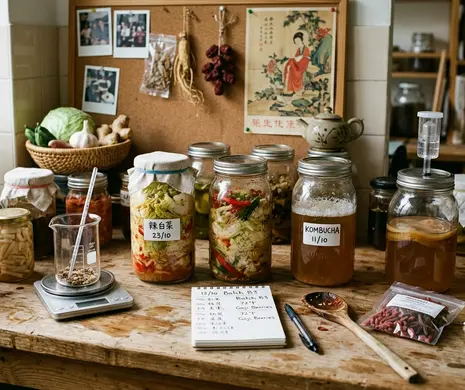
The most common surprise source is the foundational seasoning itself. According to published benchmarks, traditional soy sauce brewing often uses roasted wheat with soybeans and ferments over 3-6 months. The grain provides essential sugars that feed the yeast and develop the complex, savory depth characteristic of the condiment. Similarly, many commercial miso pastes incorporate barley or wheat grains during the initial 48-72 hour koji fermentation phase.
Other frequent culprits include hoisin, oyster sauce, mirin blends, and pre-made stocks. This points to a partial answer: gluten is woven into the very amino acids and flavor bases of the cuisine, meaning adaptation must start at the liquid level before addressing solid carbohydrates like wheat-based wrappers and lo mein noodles.
The Essential Sauce and Pantry Swaps
Replacing these foundational liquids and thickeners demands an understanding of their behavior under intense heat. Tamari or certified gluten-free soy sauce serves as a direct 1:1 replacement for standard soy sauce, while coconut aminos offer a lower-sodium, slightly sweeter alternative.
To find the most reliable thickener, observation focused on cornflour, tapioca, and potato starch in hot liquids, noting how each behaved when subjected to high-heat wok cooking. Tapioca starch requires a slurry ratio of 1 part starch to 2 parts cold water before adding to hot sauces. Recreating complex condiments also relies on precise ratios. Homemade hoisin requires blending 2 parts gluten-free miso with 1 part tamari and soaked dates.
The detail that matters with these alternative starches is their heat tolerance. The thickening power of tapioca starch diminishes if boiled for extended periods, requiring it to be added only in the final 2-3 minutes of cooking.
Expert Tip: Always mix starch slurries thoroughly just seconds before pouring them into the wok, as the heavier particles settle rapidly at the bottom of the bowl.
Noodles and Wrappers That Work
A bowl of hot broth demands a noodle that maintains its bite, just as a dumpling requires a skin that stretches without tearing. When evaluating noodle alternatives, structural integrity in broths took priority, leading to the selection of 100% buckwheat soba and sweet potato glass noodles for their chew. Sweet potato glass noodles need boiling for 5-7 minutes before rinsing in cold water to stop the cooking process. Rice noodles, whether thin vermicelli or flat pho-style, also serve as ready alternatives.
The broader principle governing these ingredients is hydration management. Gluten-free dumpling dough requires resting for 20-30 minutes under a damp cloth to hydrate the starches. Attempting to fold gluten-free dumpling wrappers without adequate hydration results in immediate cracking and filling leakage during steaming.
The practical takeaway is that patience replaces gluten. Giving alternative flours time to absorb moisture provides the elasticity necessary for shaping gyoza, spring rolls, and wontons.
Three Reliable Recipes to Build Confidence
Building confidence in a gluten-free kitchen begins with mastering a few distinct culinary applications. These three dishes cover different techniques: high-heat stir-frying, raw assembly, and broth building.

The first technique focuses on texture preservation. Velveting the chicken involves coating it in cornflour and resting it for 15-20 minutes before cooking. This creates a protective barrier that keeps the meat tender during a rapid ginger stir-fry using tamari. The second technique highlights fresh ingredients. Fresh summer rolls utilize rice paper wrappers, prawns, and a nut-free dipping sauce. The summer roll dipping sauce combines ingredients and requires whisking for 2-3 minutes until emulsified.
The final technique centers on depth of flavor. Simple miso ramen relies on rice noodles and certified gluten-free miso to build a rich, comforting bowl. Across all three recipes, the absence of wheat never compromises the final flavor profile when the underlying technique is sound.
Coeliac Safety: Cross-Contamination and Limits of This Guide
When is a menu item labeled 'gluten-free' actually safe for someone with a severe medical requirement? Structuring the safety guidelines involved cross-referencing UK dietary standards for coeliac disease management with common restaurant kitchen practices.
UK standards require foods labeled gluten-free to contain no more than 20 parts per million (ppm) of gluten. However, the physical environment of a busy kitchen introduces significant variables. Cross-contact risks remain high on wooden cutting boards used for both wheat and gluten-free prep over a 12-24 month lifespan, based on typical values. Shared fryers, dusted surfaces, and communal utensils present daily hazards.
These risks lead to a strict caveat: ordering a dish made with gluten-free ingredients at a restaurant is safe for coeliacs only when the kitchen uses dedicated fryers and separate prep stations to prevent cross-contact. For verified ingredients at home, consulting Coeliac UK's gluten-free product listings provides an additional layer of security.
Caution: This article offers general cooking guidance, not medical advice; consult a clinician or dietitian for diagnosis and personalized dietary management.
Bringing It Together
A carefully stocked pantry serves as the strongest defense against dietary fatigue and cross-contamination. Pulling the pantry recommendations into a core list minimizes the initial cost and effort of transitioning to a gluten-free East Asian kitchen. Stocking these essentials once opens up the majority of traditional dishes.
Proper storage extends the life of these investments. A properly sealed bottle of tamari maintains optimal flavor for about 3-6 months in the refrigerator. Maintaining this pantry requires regular vigilance. Checking labels should be repeated roughly every 4-6 months as manufacturers frequently alter thickener formulations. Wheat appears in unexpected places, and formulations change without warning on the front packaging.
Main Point: Start with the three foundational recipes to understand how the starches behave, then begin adapting your own family favorites using the established swap principles.
Essential Gluten-Free East Asian Pantry Swaps
- Tamari or Coconut Aminos (replaces Soy Sauce)
- 100% Buckwheat Soba (replaces Wheat Noodles)
- Cornflour or Tapioca Starch (replaces Wheat Flour for velveting)
- Certified GF Oyster Sauce (replaces standard Oyster Sauce)








Share Your Opinion